When you turn the key and nothing happens, it’s stressful. In Burnaby’s damp, mild climate, moisture, short trips, and seasonal temperature swings can expose weak batteries, tired starters, or a failing alternator. This guide helps you quickly triage the problem at home, then shows when to call a pro.
Fast Triage: What exactly is your car doing?
1) No crank, just a click
Likely battery or starter. If dash lights are dim and you hear rapid clicking, suspect a low battery. One loud click with strong lights often points to the starter or a poor connection.
2) Cranks normally, won’t fire
Fuel or spark issue, possibly a sensor like the crankshaft position sensor. Battery and starter are probably fine.
3) Intermittent starts, worse in the morning or after rain
Battery nearing end of life, corroded terminals, weak alternator output, or moisture in connectors.
The Big Three
Battery: the most common culprit
Typical signs: slow cranking, dim lights, multiple rapid clicks, dashboard resets.
Quick driveway checks:
- Pop the hood, look for white or green crust on terminals.
- Wiggle test: if a clamp moves, the connection is poor.
- Headlight test: very dim or fading lights suggest low voltage.
What to try now:
- If safe, try a jump start. If it starts then dies soon after, the alternator may not be charging.
- Clean obvious corrosion and snug up loose clamps.
- If the battery is 3–5 years old, start planning for replacement.
Get help: Book a Car Battery Replacement in Burnaby or Electrical & Charging System Diagnostic.
Alternator: charging system failures that masquerade as “bad battery”
Typical signs: battery warning light on, lights brighten with throttle, new battery dies again, belt squeal, burning rubber smell.
Why it matters: the alternator replenishes the battery while driving. If it fails, the battery will run the car until it’s empty, then you’re stranded.
At home clue: if a jump start gets you going but the car stalls after a short drive, alternator output may be low.
Get help: Alternator Testing & Replacement ensures proper voltage and belt condition.
Starter motor: power is there, engine won’t turn
Typical signs: single loud click, strong interior lights, no crank. Sometimes it cranks after tapping the starter housing (not recommended long term).
Bonus check: try starting in Neutral instead of Park; if it cranks, the neutral safety switch or shifter linkage may be out of adjustment.
Get help: Starter Motor Repair & Replacement to test solenoid, power feed, grounds, and current draw.
Other Causes You Shouldn’t Overlook
Key fob battery & immobilizer
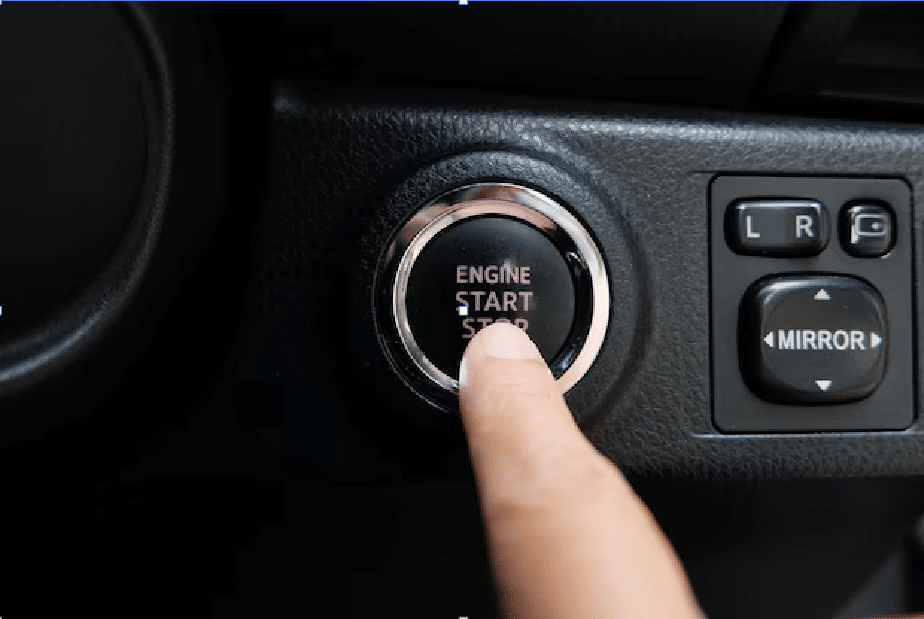
If the security light flashes, the car may not recognize the key. Try a spare key, hold the fob close to the start button, or replace the fob battery.
Fuel delivery
Listen for a brief pump “whirr” when you switch to ON. No sound can indicate a fuel pump, relay, or fuse issue.
Ignition system
Worn spark plugs or failing coils can cause crank no start, especially in wet conditions.
Sensors that stop you cold
A failed crankshaft or camshaft position sensor can prevent spark or fuel injection. Often no start, sometimes after the engine warms up.
Fuses, relays, grounds
A blown main fuse, corroded ground strap, or bad relay will mimic bigger problems. Moisture accelerates corrosion in our climate.
Step By Step: Do it yourself checklist (safe and simple)
- Observe the behavior: no crank vs cranks no start vs intermittent.
- Check lights: bright vs very dim helps separate battery from starter issues.
- Inspect the battery: look for corrosion, loose clamps, damaged cables.
- Try Neutral: start in Neutral instead of Park.
- Listen for fuel pump: brief hum on key ON.
- Security light: if flashing, try a spare key or replace the fob battery.
- One safe jump start: if it runs then dies while driving, suspect alternator.
- Stop cranking after 8–10 seconds: let the starter cool 30–60 seconds to avoid damage.
- Call a pro if you’re stuck or unsure.
Burnaby Specific Tips
- Short city trips never fully recharge the battery. Plan an occasional longer drive or proactive battery tests.
- Moisture & corrosion advance faster here. Clean terminals and apply dielectric grease after service.
- Seasonal loads like seat heaters, lights, wipers, and defrosters increase electrical demand, exposing weak alternators or batteries.
When to call BW Garage
If your car won’t start, we can test the battery, alternator, starter, cables, fuses, relays, then pinpoint the root cause fast. We provide clear diagnostics, upfront estimates, and fix only what’s needed.
- Car Battery Replacement Burnaby
- Alternator Testing & Replacement
- Starter Motor Repair
- Full Auto Diagnostics
Find us on Google Maps
FAQs
Can a bad alternator kill a brand new battery?
Yes. If the alternator isn’t charging, the battery will discharge while driving until it’s empty, then it won’t restart.
How long should a car battery last in Burnaby?
Typically 3–5 years depending on brand, driving habits, electrical load, and weather.
Is it safe to keep trying to start the car?
No. Long cranking overheats the starter and drains the battery. Try 8–10 seconds, rest, then reassess.
Jump starting didn’t work. Now what?
Check clamps and connections. If still nothing, the battery may be too weak, or you may have a starter, ground, or immobilizer issue. Book diagnostics.
My car starts then dies a minute later
Often alternator output is low, the battery runs the car briefly, then voltage collapses. Get the charging system tested.