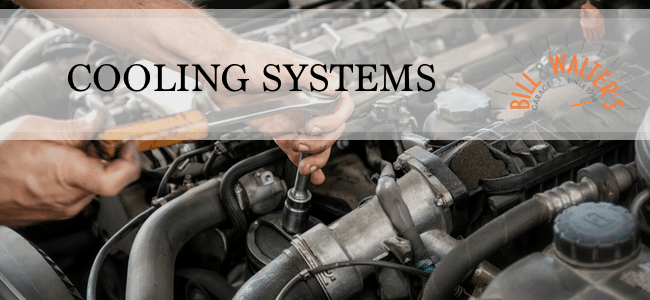
Your engine’s cooling system helps manage operating temperature. It is different from the air conditioning system that cools the cabin. A temperature warning, suspected coolant leak or unusual temperature-gauge reading needs appropriate assessment.
How the Cooling System Works
In a typical liquid-cooled engine, a water pump circulates coolant through the engine and radiator. Heat is transferred from the coolant to the air at the radiator. The thermostat helps regulate coolant flow, while hoses and cooling fans also play a role. The arrangement varies by vehicle.
These parts work together; a cooling concern cannot reliably be diagnosed from one symptom alone.
Warning Signs to Describe to the Garage
- A temperature warning light or unusual temperature-gauge reading.
- A suspected coolant leak or repeated loss of coolant.
- Steam or a change in how the engine runs.
- When the concern occurs, such as in traffic or during longer trips.
If the engine overheats, stop safely, switch it off and follow the vehicle’s instructions. Do not open a hot cooling-system pressure cap.
Maintenance and Inspection
Use the coolant specification and maintenance schedule required for your vehicle. Inspection and testing can help determine whether a leak, flow problem or component fault needs attention. Avoid replacing parts based only on a dashboard reading.
Request a Cooling-System Assessment
Contact Bill & Walter’s Garage with your vehicle year, make, model and symptoms. Our team can discuss the next step, diagnostic work and appointment availability.
Request an appointment or call 604-298-3031. If the concern is cabin cooling, see our auto A/C repair page.
Technical reference: Gates cooling-system guidance.