Dodge Journey Battery Replacement in Burnaby: Location, Size, Symptoms and Cost
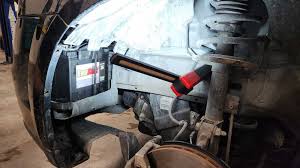
Dodge Journey battery replacement in Burnaby can be more complicated than a typical battery swap. On many Dodge Journey configurations, the battery is not positioned in an easily accessible location under the hood. Instead, it is installed behind the driver-side front fender area and accessed through the wheel well.
That unusual location can affect the labour time, replacement procedure and importance of selecting the correct battery for the vehicle.
If your Dodge Journey cranks slowly, needs frequent boosts, displays intermittent electrical warnings or loses power after sitting overnight, the battery may be weak. However, similar symptoms can also be caused by a charging-system problem, starter fault or parasitic electrical drain.
Testing the vehicle before replacing parts is the best way to avoid unnecessary expense.
Quick Answer: Where Is the Dodge Journey Battery Located?
On many North American Dodge Journey models, the battery is positioned behind the driver-side front fender and accessed through the front wheel-well area.
Depending on the model year and configuration, replacing it may involve:
- Safely lifting the vehicle
- Removing the driver-side front wheel
- Removing the inner splash shield or access panel
- Disconnecting the battery terminals and vent connection
- Removing the battery hold-down
- Installing and securing the replacement battery
- Reinstalling the splash shield and wheel
- Testing the starting and charging system
Because of this design, Dodge Journey battery replacement may require more labour than replacing a conventional battery located under the hood.
If you are looking for professional battery testing and installation, contact Bill & Walter’s Garage to schedule an inspection in Burnaby.
Why Is the Dodge Journey Battery Difficult to Access?
Most vehicles place the battery in the engine compartment, where a technician can reach it by opening the hood.
The Dodge Journey uses a different layout on many configurations. Accessing the battery through the wheel well can require additional disassembly and safe vehicle-lifting equipment.
The process may include removing plastic clips, wheel-well fasteners and the splash shield. On vehicles that have been exposed to several Canadian winters, corrosion, road salt and damaged clips can also increase the amount of time needed.
The additional labour is mainly related to access. It does not necessarily mean the battery itself is unusual or defective.
Common Symptoms of a Weak Dodge Journey Battery
Battery problems can produce several different symptoms. Some appear gradually, while others seem to happen without warning.
Common signs include:
- Slow or sluggish engine cranking
- Clicking when the start button or key is used
- Interior or dashboard lights dimming during startup
- Intermittent electrical warning messages
- Frequent jump-starts or boosts
- A vehicle that starts normally one day and struggles the next
- Battery failure after the vehicle sits overnight
- Electronics resetting unexpectedly
- Reduced starting performance during cold weather
A battery can still show approximately 12 volts and fail when placed under load. Voltage alone does not provide a complete assessment of battery condition.
Slow cranking, warning lights and repeated jump-starts also do not automatically confirm that the battery is the only problem. Our Vehicle Diagnostics in Burnaby service can help test the battery, starter, alternator and related electrical systems before replacement is recommended.
Can Random Warning Lights Be Caused by a Weak Battery?
Yes. A weak battery or low system voltage can sometimes create unexpected warning messages and unusual electrical behaviour.
Modern vehicles contain multiple electronic control modules that depend on stable voltage. If battery voltage drops too low during startup, the vehicle may temporarily display warnings related to systems that are not actually defective.
Possible symptoms can include:
- Traction-control warnings
- ABS warnings
- Transmission messages
- Electronic throttle warnings
- Infotainment resets
- Keyless-entry or starting issues
However, warning lights should not automatically be blamed on the battery. Diagnostic trouble codes should be scanned and system voltage should be tested before reaching a conclusion.
If your Journey is shaking, misfiring or displaying an engine warning, review our guide on check engine lights and vehicle diagnostics.
What Battery Size Does a Dodge Journey Need?
There is no single battery size that should be assumed for every Dodge Journey.
The correct battery can depend on:
- Model year
- Engine
- Trim level
- Market specification
- Battery-tray dimensions
- Terminal position
- Hold-down arrangement
- Cold-cranking requirement
- Vent-tube configuration
- Existing vehicle modifications
Some online catalogues may display different group sizes for different Journey applications. Selecting a battery from one generic chart can therefore lead to incorrect fitment.
The safest approach is to verify the battery using:
- The vehicle identification number
- A professional parts-fitment catalogue
- The specifications of the currently installed battery
- The battery tray, terminals and venting system
- The manufacturer’s service information
Owners can also consult the official Mopar owner’s manual portal for vehicle-specific information.
Understanding Battery Group Size, CCA and Venting
Battery terminology can be confusing because “battery type” may refer to several different specifications.
Battery Group Size
The group size describes physical characteristics such as:
- Battery length, width and height
- Terminal location
- Case design
- Hold-down configuration
A battery with the wrong dimensions may not fit securely in the battery tray.
Cold-Cranking Amps
Cold-cranking amps, commonly abbreviated as CCA, indicate the battery’s ability to provide starting power at low temperatures.
CCA is particularly important in Canadian winters because cold engine oil, reduced chemical battery activity and low temperatures can increase the power required to start the engine.
The replacement battery should meet or exceed the manufacturer’s required specification without creating fitment or charging issues.
Battery Chemistry
Depending on the application, batteries may use:
- Conventional flooded lead-acid construction
- Enhanced flooded battery technology
- Absorbent glass mat technology
The replacement battery should be compatible with the vehicle’s electrical and charging system.
Battery Venting
Some Dodge Journey battery installations use a vent connection because of the battery’s enclosed location.
If the original battery uses a vent tube, the replacement battery must support the correct venting arrangement. The tube should be connected securely and routed correctly.
Ignoring the venting requirement may create fitment, moisture or gas-management problems.
Should the Battery Be Tested Before Replacement?
Yes. Replacing the battery without testing the vehicle can result in unnecessary cost or another failure shortly afterward.
A professional inspection may include:
- Open-circuit voltage testing
- Battery load or conductance testing
- Cold-cranking performance
- Alternator charging output
- Starter current draw
- Terminal and cable inspection
- Ground-connection inspection
- Diagnostic trouble-code scanning
- Parasitic-draw testing when necessary
Testing helps determine whether the problem involves the battery, alternator, starter, wiring or an electrical drain.
Battery or Alternator: How Can You Tell the Difference?
Battery and alternator problems can produce similar symptoms.
A weak battery commonly causes:
- Slow cranking
- Clicking during startup
- Need for repeated jump-starts
- Poor cold-weather starting
- Electrical resets during cranking
A failing alternator may cause:
- Battery warning light
- Dimming lights while driving
- Electrical systems shutting down
- A recently replaced battery becoming discharged
- Vehicle stalling after a jump-start
- Low or unstable charging voltage
A failing alternator or parasitic electrical draw can discharge a brand-new battery. Professional diagnostic testing can help identify the underlying problem before replacement parts are installed.
Why Does the Battery Keep Dying Overnight?
If the battery repeatedly loses charge while the vehicle is parked, possible causes include:
- An aging or internally damaged battery
- Interior, cargo or glove-box lights remaining on
- Aftermarket accessories
- Dash cameras or chargers
- Faulty modules that do not enter sleep mode
- Wiring problems
- Corroded battery connections
- A parasitic electrical draw
- Charging-system problems
Repeatedly jump-starting the vehicle does not fix the underlying cause. If the battery becomes discharged again after testing or replacement, the vehicle may require parasitic-draw diagnosis.
Choosing a Reliable Replacement Battery
The cheapest battery is not always the best option, particularly when installation requires wheel removal and wheel-well access.
A suitable replacement should have:
- Confirmed fitment for the specific Journey
- Correct terminal orientation
- Appropriate CCA
- Compatible venting
- Secure hold-down fit
- Suitable warranty coverage
- Local warranty support
- Reliable cold-weather performance
Selecting the correct battery the first time helps avoid removal, return and reinstallation costs.
Installation Tips That Can Prevent Repeat Problems
Test Before Replacing
A battery may be discharged rather than permanently failed. Testing can determine whether replacement is actually necessary.
Inspect the Charging System
Charging voltage should be tested after installation. A weak alternator can damage or discharge the new battery.
Clean and Inspect the Terminals
Corroded or loose connections create resistance and voltage drop. Even a healthy battery may perform poorly if the cable connections are damaged.
Confirm the Vent Tube
If the vehicle uses a battery vent tube, it should be connected to the correct outlet on the replacement battery.
Secure the Battery Properly
The battery must be held firmly in the tray. Movement can damage the battery case, terminals and internal plates.
Reinstall the Wheel-Well Liner Correctly
Loose or missing clips can allow water, salt and road debris to enter the battery compartment.
Torque the Wheel Properly
When wheel removal is required, the wheel fasteners should be tightened using the proper sequence and manufacturer specification.
DIY vs Professional Dodge Journey Battery Replacement
Battery replacement may be possible at home, but this particular vehicle can require more equipment and mechanical confidence than a normal under-hood replacement.
DIY May Be Reasonable If You Have:
- Safe lifting equipment
- Suitable jack stands or a vehicle lift
- The correct tools
- Experience removing wheels
- Knowledge of electrical safety
- The correct battery specifications
- Replacement clips or fasteners if necessary
- A torque wrench
- A method for testing the charging system
Professional Replacement May Be Better If You Want:
- Battery testing before replacement
- VIN-based fitment confirmation
- Safe wheel and splash-shield removal
- Proper terminal and vent installation
- Charging-system testing
- Inspection for corrosion or damaged wiring
- Correct wheel installation and torque
- Less risk of breaking wheel-well components
If you are already searching for a mechanic or auto repair shop in Burnaby, professional installation may save time and reduce the chance of ordering or installing the wrong battery.
How Bill & Walter’s Garage Handles Dodge Journey Battery Replacement
At Bill & Walter’s Garage, the process is designed to identify the actual problem before replacing parts.
1. Battery and Starting-System Test
We assess battery condition and determine whether the symptoms involve the battery, starter, alternator or another electrical issue.
2. Correct Battery Fitment
We verify the appropriate battery dimensions, terminals, capacity and venting requirements for the vehicle.
3. Safe Battery Access
When wheel-well access is required, the vehicle is safely lifted and the necessary wheel and liner components are removed.
4. Professional Installation
The battery is secured, terminals are connected properly and the venting system is restored when applicable.
5. Post-Installation Testing
The vehicle is started and charging voltage is checked. Battery terminals and system operation are reviewed before completion.
How Long Does Dodge Journey Battery Replacement Take?
The exact time depends on:
- Model year and configuration
- Condition of the wheel-well liner
- Corroded or damaged fasteners
- Battery availability
- Vent-tube condition
- Terminal corrosion
- Need for diagnostic testing
- Additional charging-system or electrical faults
A clean vehicle with cooperative hardware may be relatively straightforward. A vehicle exposed to several winters may require additional time to remove seized fasteners or replace damaged clips safely.
Cold Weather and Dodge Journey Battery Problems
Cold weather can reveal a battery that was already approaching the end of its service life.
Low temperatures reduce available battery performance while the engine may require more current to crank. As a result, a Journey that started normally during summer may struggle on the first cold morning.
Before temperatures drop, consider:
- Battery testing
- Terminal inspection
- Charging-system testing
- Correct engine-oil maintenance
- Starter-system inspection
- Checking for overnight electrical drains
Read our guide to preventing winter engine and cold-start problems for additional seasonal maintenance advice.
Frequently Asked Questions
Where is the battery located on a Dodge Journey?
On many Dodge Journey configurations, the battery is installed behind the driver-side front fender and accessed through the wheel-well area.
Does the front wheel need to be removed?
On many versions, removing the driver-side front wheel and inner splash shield provides the required access. The exact procedure depends on the vehicle configuration.
What battery size does a Dodge Journey use?
Battery fitment varies. Confirm the group size, terminal orientation, CCA, hold-down design and venting using the VIN and a professional fitment catalogue.
Why does the Dodge Journey battery use a vent tube?
Some configurations use a vent tube to route battery gases away from the enclosed battery compartment. A compatible replacement battery should support the correct connection.
Can a weak battery cause warning lights?
Low voltage during startup can produce temporary electrical warnings, but the vehicle should be scanned and tested to rule out other faults.
Should the alternator be tested with the battery?
Yes. A charging-system problem can discharge or damage the replacement battery.
Why does my Journey start normally some days and struggle on others?
A marginal battery may perform differently depending on temperature, state of charge and electrical demand. Loose connections, a failing starter or parasitic draw may also produce intermittent symptoms.
Can I drive after jump-starting the vehicle?
A successful jump-start does not confirm that the vehicle is reliable. If the battery, alternator or charging system is failing, the vehicle may stall or fail to restart.
Is battery replacement more expensive because of the location?
Labour may be higher than a standard battery replacement because wheel and splash-shield removal may be required.
Book Dodge Journey Battery Replacement in Burnaby
If your Dodge Journey is cranking slowly, dying overnight, requiring repeated boosts or displaying unexpected electrical warnings, do not replace parts based on symptoms alone.
Bill & Walter’s Garage can test the battery, starter and charging system, confirm the correct battery fitment and complete the replacement through the wheel-well area when required.
Contact Bill & Walter’s Garage to schedule battery testing and replacement in Burnaby.
Bill & Walter’s Garage
4406 Dawson St, Burnaby, BC V5C 4B9
(604) 298-3031